About General Contractors of Brownsville
Most of the people who call us are planning to stay. They own a lot off Boca Chica Boulevard, a tract near the port channel, a strip of land north of town where the resacas wind through the neighborhoods, or an aging building they want to put to better use. We are General Contractors of Brownsville, and we build commercial, industrial, institutional and multifamily projects across Cameron County in plain, steady fashion. We explain the permit path in ordinary language, we put the hard numbers in front of you early, and we answer the phone in English or Spanish.
This page describes how we work and what we build. We keep it free of invented milestones. You will not find a project tally or a list of famous clients here. What you will find is a description of the method, the markets we know and the kinds of buildings our teams deliver, so you can judge whether we fit your project before we ever sit down together.
The coast shapes every decision we make
The southern tip of Texas is a coastal plain, and nearly every site here is flat, low and shaped by water. Soils run from sandy loam to heavy clay, often in the same block. Drainage is the first conversation on almost every job, not the last. The National Weather Service recorded more than fourteen inches of rain at Los Fresnos gauges during the June 2018 flood, with some poorly drained fields under three feet of water, and Hurricane Hanna in July 2020 dropped between seven and nearly nine inches at Brownsville-area gauges and left roof damage across the county. Those events are the reason we talk about finished floor elevations, detention, roof attachment and hurricane wind ratings before we talk about finishes.
Our teams read the site before the drawings. We look at where water will go when it rains hard, how the subgrade will behave under a slab, what the utility connections really involve and whether an access road floods first. Then we shape the budget and schedule around those answers. A bid that ignores them looks cheaper for a few weeks and costs far more once the first storm arrives. We would rather give you the honest number now.
What we build
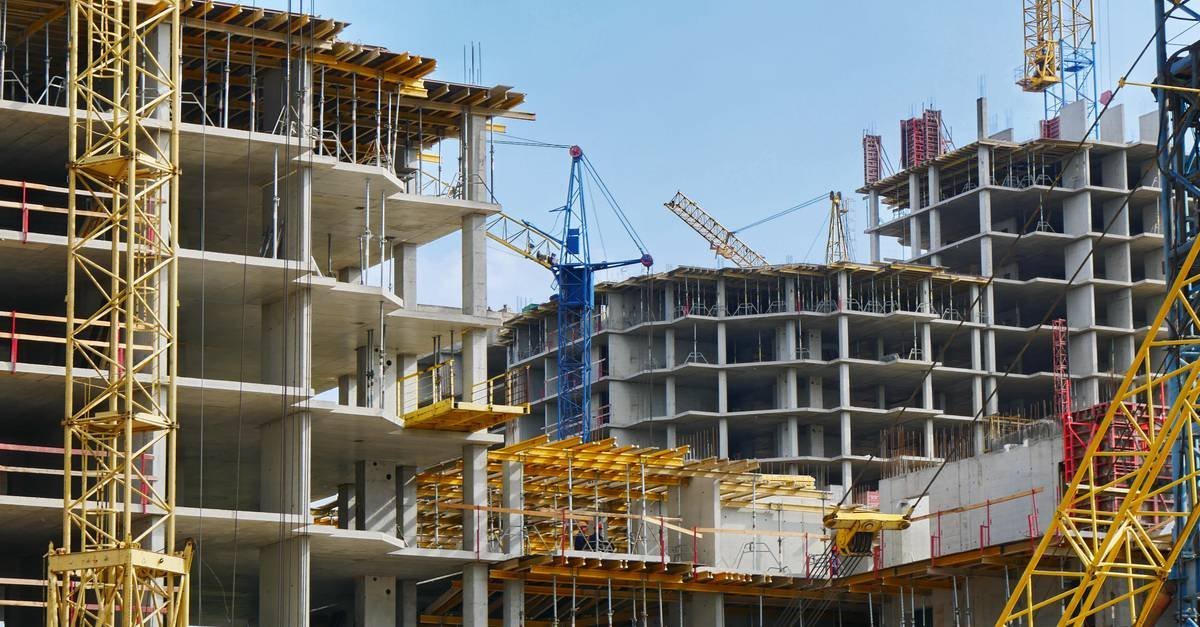
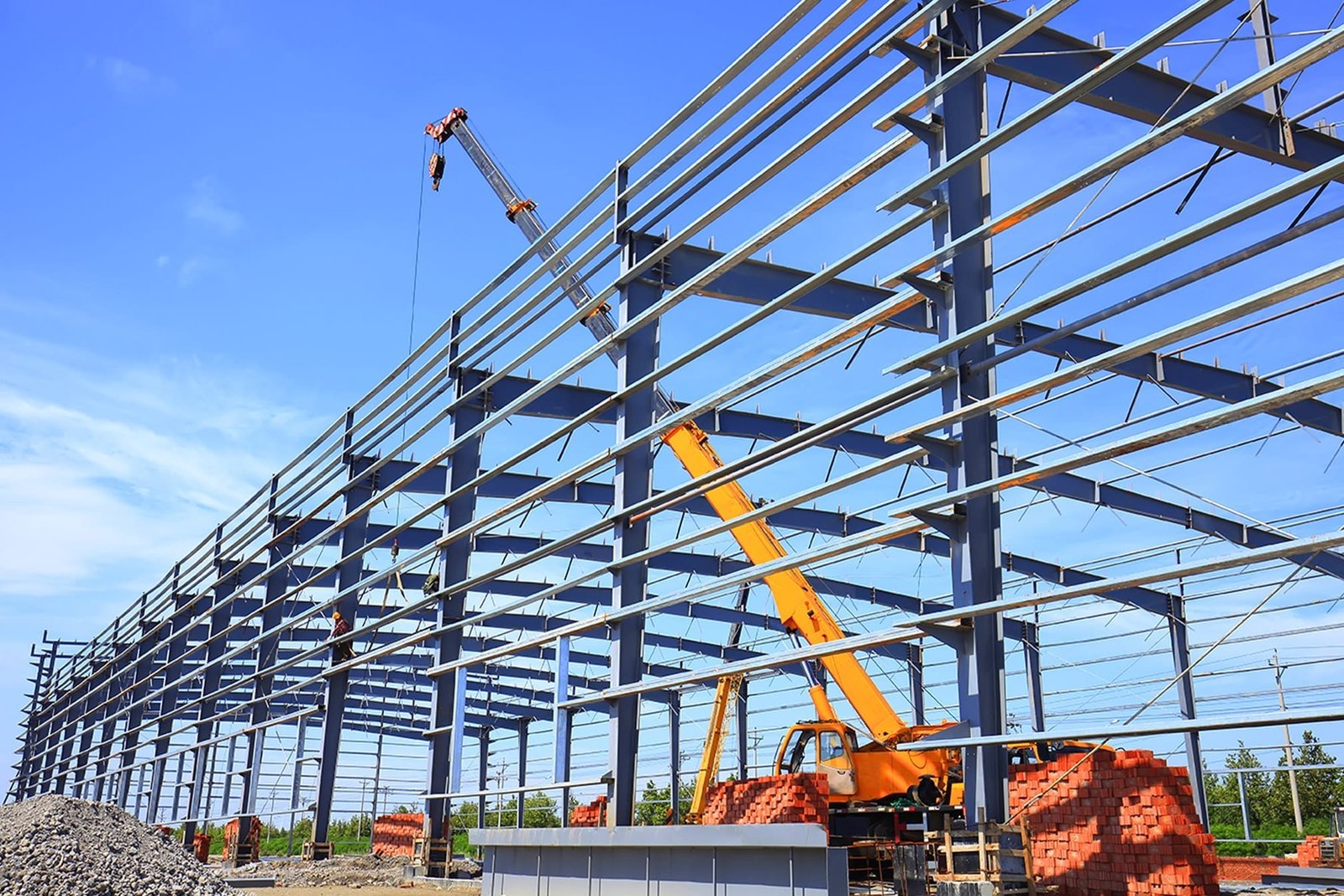
We work across the full range of commercial construction, from small buildouts to ground-up campuses. On the commercial side that means offices, retail centers, restaurants, hotels, medical offices and mixed-use buildings. On the institutional side it means schools, municipal buildings, healthcare facilities and student housing. On the industrial side it means warehouses, distribution and cold storage buildings, manufacturing plants, pre-engineered metal buildings, tilt-wall structures and structural steel erection. All of it is listed in plain terms on our service pages, and each one explains the specifics for this part of Texas.
Some building types deserve a closer word because they fit the region's growth so closely. Owners and operators who need flexible space for tenants of different sizes often start with flex and light industrial buildings, which combine a small office front with a rear warehouse bay and a dock or grade-level door. Investors and landowners ask us about self-storage facilities, where the floor elevation and site drainage matter as much as the walls, because a storage building exists to keep other people's belongings dry. And manufacturers weighing the Valley as a place to produce parts, vehicles or components can read about how we approach an automotive and electric vehicle plant, with its heavy floor loads, overhead utilities and long equipment lead times.
We also build for the people who run these places every day. Property managers, retail operators, hospital systems, school districts and hospitality groups each have a different tolerance for noise, dust and downtime, and we plan accordingly. A hotel that stays open through a renovation, a clinic that cannot lose power on a Tuesday morning and a school that must be ready by the first bell all require sequencing that is built into the schedule, not improvised on site.
The way a project moves with us
Good construction is mostly decisions made in the right order. We start in preconstruction, where we review the program, the site and the budget before a single permit is filed. Our preconstruction and estimating work puts real costs against the early design so the owner can adjust scope while changes are still cheap. We flag long-lead items such as switchgear, structural steel, rooftop equipment and specialty doors at this stage, because a late delivery can stall a building that is otherwise ready.
From there the path depends on the project. Some owners bring a finished set of drawings and want a firm price. Others want us at the table with the architect and engineer from the beginning, using design-build or construction management at risk. We are comfortable with either route and we say plainly which one we think suits your timeline, your lender and your appetite for risk.
During construction we run the job the way we would want ours run. Superintendents walk the site daily. Trade partners are scheduled against real durations, not hopeful ones. Inspections are booked early. Submittals, requests for information and change orders move through a written process so that nobody is surprised at closeout. When the building is nearly done we walk it with the owner, test the systems, assemble the closeout documents and train the people who will operate it. We want you to take the keys with confidence, not with a punch list that never ends.
Foundations, slabs and the ground underneath
In a region with high water tables and expansive clay, the work below the building carries the project. The construction trade partners handle site grading, utilities, stormwater and paving, and we put particular care into concrete foundations and floors. Slab thickness, reinforcing, vapor barriers, joint layout and curing all change with the soil and the loads, and a warehouse floor that will carry forklifts and racking asks more of the concrete than a retail floor does. We coordinate geotechnical recommendations with the structural engineer and make sure what is built matches what was designed.
The places we serve
Brownsville and the surrounding communities are not one market. They are several, and each one has its own character, its own officials and its own rules.
The port is the industrial heart of the county. The Port of Brownsville covers about 40,000 acres, holds Foreign Trade Zone No. 62, and in 2024 recorded 2,322 vessel calls, 450,000 truck movements and 95,000 railcar movements. A recent project deepened the main ship channel to 52 feet. Companies that ship, store and process goods here need heavy pavement, rail-served sites and large clear-span buildings, and our work on the Port of Brownsville side of the county is built around those needs. Cross-border trade also moves over the Veterans International Bridge at Los Tomates, which averaged about 800 trucks a day in 2019. That steady freight is why our logistics and distribution clients look at this corner of Texas so closely.
North of town, Los Fresnos and Rancho Viejo are growing residential and small commercial communities where schools, retail, medical offices and civic buildings follow the rooftops. Rancho Viejo sits among resacas and a golf course, and its town materials cite those features for developers, so grading and setbacks need real attention. Los Fresnos has tax increment zones and a long list of road projects that shape where the next buildings will go.
East of Brownsville, Port Isabel and South Padre Island have their own exposure to surge and wind. Hurricane Dolly in 2008 produced a measured storm tide of 3.87 feet at Port Isabel and put several feet of bay water across parts of the island. Anyone building for hospitality, retail or residential use on the South Padre Island side of the Queen Isabella Memorial Causeway has to plan for that from the first sketch. The causeway is the island's only roadway access, which also affects how we deliver materials and crews.
Out at the far eastern end of the county, the Starbase and Boca Chica area is a brand new city. It incorporated after a May 2025 vote of 212 to 6, with fewer than 500 residents, and it sits about 25 miles from Brownsville. We build support buildings, offices, schools and light industrial shops for owners in that Starbase and Boca Chica area, with a clear view of remote-site logistics, thin services and a young permitting environment. We do not work for any launch company.
Start with a conversation
If you own land, hold a lease, manage a building or represent an institution that needs space, tell us what you are trying to accomplish. We will talk through the site, the budget range, the schedule and the approvals that stand between you and an open door. There is no pressure and no script. We would rather earn your trust with a clear plan than a polished pitch, because the people we serve plan to be here for a long time, and so do we.
What kinds of projects do you build?
We build offices, retail centers, restaurants, hotels, medical offices, schools, municipal buildings, multifamily and mixed-use projects, warehouses, distribution and cold storage buildings, manufacturing plants, metal buildings, tilt-wall structures and self-storage facilities. We also handle tenant improvements, renovations and demolition.
Which areas do you serve?
We serve Brownsville and Cameron County, including the Port of Brownsville area, the airport corridor, the UTRGV Brownsville campus, Los Fresnos, Rancho Viejo, Port Isabel, South Padre Island and the Starbase and Boca Chica area. Each location has its own page on this site.
Do you work for any launch company at Starbase?
No. We do not work for or represent any launch company. We are a general contractor that builds support buildings, offices, schools and light industrial space for owners in that part of the county.
How do you handle hurricane and flood exposure?
We plan for it from the start. That means studying drainage and floor elevations, selecting structural systems with appropriate wind ratings, detailing roof attachment carefully and confirming flood zone requirements with the local authority before design is locked.
Can you build while my business stays open?
Yes. We phase the work into zones, control dust and noise, protect exits and fire access, and schedule disruptive tasks for agreed hours. The plan is written before construction begins.
Do you speak Spanish?
Yes. Our teams work in both English and Spanish, and we are glad to review scope, schedule and contract terms in the language you prefer.