Data Center Construction on the Texas Gulf Coast Plain
Seven thousand four hundred homes and businesses took flood damage in Cameron and Willacy counties after the June 2018 rains, along with at least $50 million in public infrastructure, according to the National Weather Service. Hold that number next to the word uptime and you have the central problem of a data center on this coast. The servers are the easy part to buy. The hard part is a building that stays dry, cool and powered through the kind of weather this plain produces every few years.
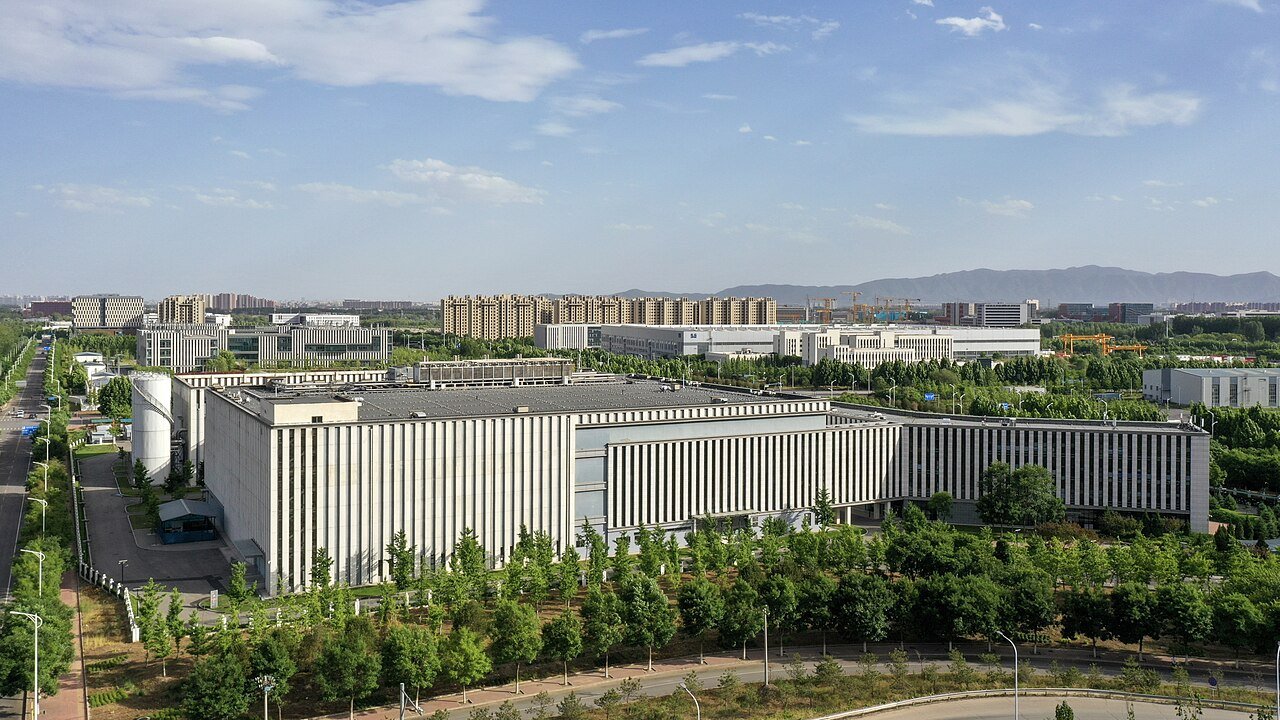
Data centers are a young building type in the Rio Grande Valley, and we will not pretend a long local list of them exists. What exists is a market full of large industrial construction, a port hosting very large industrial projects, a university campus and a growing aerospace presence, all of which generate their own computing needs. Edge facilities, small enterprise rooms and larger colocation or private halls are plausible here, and each deserves a builder who can explain the tradeoffs in plain words.
We approach a data center as a utility building with a roof: site and power first, structure second, finishes last.
Why this region is a plausible home for compute
Industrial investment is concentrated at the Port of Brownsville, where a Texas Governor’s office announcement described a $3,248,000,000 capital investment for a shipyard and advanced manufacturing campus, and where NextDecade describes a liquefied natural gas project on about 1,000 acres with 48 million tonnes per annum under construction and in development. Large industrial users bring their own demand for local controls, monitoring and data handling.
A second pull comes from Starbase, where the state lists a 700,000-square-foot specialized industrial manufacturing building and an earlier project adding five office mezzanine levels to an existing factory of about a million square feet. Those users often want compute close to the production floor, and a small data hall inside or next to a large plant is a very different build from a stand-alone campus. We discuss both on our data center construction page.
Wind, flood and the code stack
A mission-critical building starts with the same permit chain as any commercial structure and then adds more. The state sets the 2012 International Building Code as the municipal commercial floor, cities may adopt later editions, and Harlingen and McAllen have both moved to the 2024 codes. For a Brownsville-area site we confirm the adopted edition with the building department before the structural design is frozen. On unincorporated land in Cameron County, the county’s flood regulations require the lowest finished floor to be 12 inches above Base Flood Elevation or 24 inches above the highest adjacent natural grade.
For a data hall that is a minimum, not a target. Owners in this field often raise the floor and the generator pad well above it. The Texas Department of Insurance windstorm program also covers every county on its map, with Cameron and Willacy counties having their own zone pages, and applications from April 1, 2026 are certified under the 2024 residential or building code. Our permitting and entitlements team sequences these reviews so utility, fire and building approvals do not collide.
Power, cooling and the water problem
Power drives the schedule. The utility interconnection, switchgear, generators and fuel storage often take longer to deliver than the building shell, so the first conversation is about capacity and lead time, not finishes. Cooling follows, and in a hot, humid climate with salt in the air, equipment selection matters: coastal corrosion shortens the life of cheaper condensers and enclosures.
The site itself needs thought. Brownsville sits at about 33 feet in elevation on mostly clay soil, and a reference source describes parts of the city as at high risk of localized flooding because of flat topography and low-permeability soils. We raise the pad, shape drainage away from the building and put the generators and switchgear on elevated slabs. A data hall that rides out a storm but loses its outdoor equipment to water has not ridden it out.
How we build a mission-critical shell
We separate the data hall from the rest of the building physically and often structurally, with its own fire rating, secure entry and controlled humidity. Tilt-wall construction suits many owners because it is robust against wind and intrusion, and our page on tilt-wall buildings explains the process. Metal buildings are an option for smaller edge facilities and can enclose quickly.
Commissioning is part of the work from the first drawing. Electrical, mechanical and fire systems are tested individually and together, and we coordinate with the owner’s IT team so the handover includes documented load tests. Where a company already operates in a nearby manufacturing plant, we can build the hall as an addition and share the existing utilities.
Security and access deserve a paragraph of their own. A data hall wants a single controlled entry, a mantrap or equivalent, cameras that cover the generator yard, and a perimeter that does not rely on a chain-link fence alone. Roof penetrations are kept to a minimum and sealed carefully, since water over a server room is a risk no insurance policy makes pleasant. We also keep the hall away from the loading dock and any process area where vibration or dust could creep in.
A realistic timeline
Timelines here are driven by equipment lead time and by hurricane season. We order generators, switchgear and chillers early, keep the site dry during the foundation phase and build contingency into the shell schedule. If the owner needs partial occupancy sooner, we stage the work so one hall comes online while the next is still under construction.
Interested owners in manufacturing and in government and public sector work often ask how soon a facility could be ready. The honest answer starts with utility delivery, and we get that answer from the utility early rather than hoping it improves.
Start with power and flood level, then build the hall
Tell us the load you expect, the uptime you need and the parcel you are considering. We will check flood, wind and utility conditions and give you a candid read.
Questions Owners Ask
Is a Gulf coast site a bad idea for a data center?
Not if it is engineered for it. Flood level, wind loads and corrosion all need attention, but they are manageable with an elevated pad, a rated envelope and corrosion-resistant equipment. The bigger question is usually power availability.
How high should the generators and switchgear sit?
Above the flood level the engineer specifies, which in many cases is higher than the code minimum. We review flood maps and local drainage history and set the equipment pad elevation with the owner.
What does hurricane certification involve?
Buildings in the designated catastrophe areas follow the state windstorm program. Starting April 1, 2026, certificate applications are certified under the 2024 building or residential code. We coordinate the engineer and the inspector so the certificate is not a last-minute issue.
Can a small edge facility be built quickly?
Often, yes. A compact metal or tilt-wall building with pre-ordered equipment can move faster than a large hall, but power delivery still controls the timeline. We ask the utility for dates first.
Do you build the IT fit-out?
We build the shell, the power and cooling infrastructure and the fire and security systems, and we coordinate with your IT contractor for racks and network equipment so nothing conflicts.
Related
Related Services
Related Building Types
Related Industries
Ready to talk about your project?
Request a Project Review
Planning a build in Brownsville or Cameron County?
Share the site, the building and the schedule. We will walk the drainage, soils and permit path with you and follow up with next steps.