
Industrial Construction at the Port of Brownsville
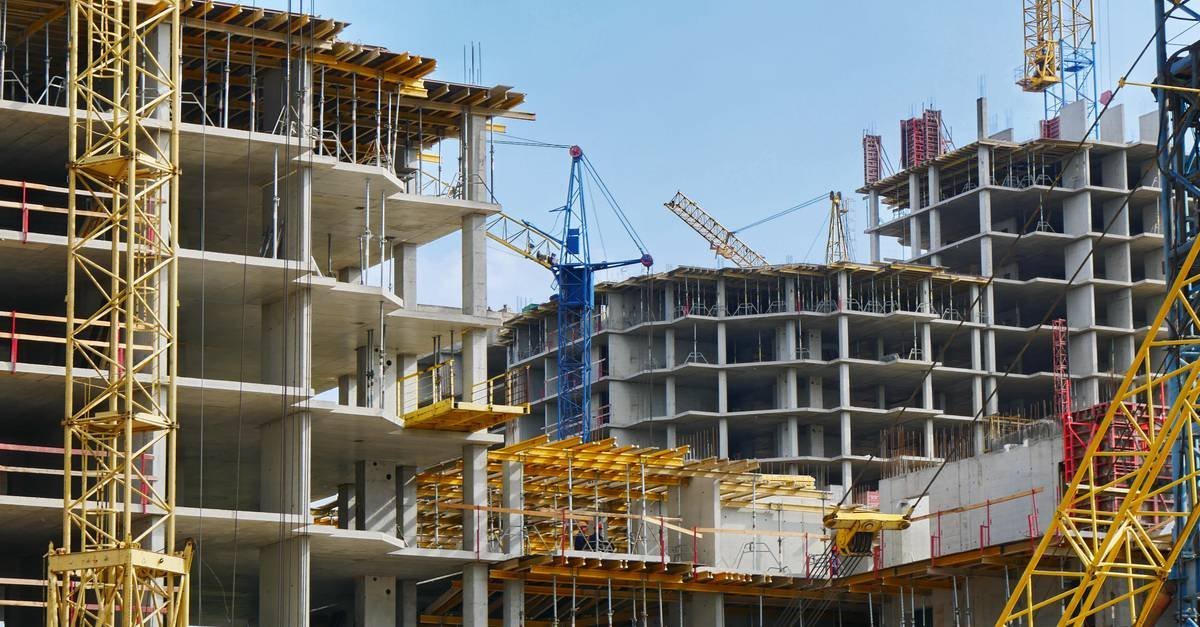
Tidewater clay and a 52-foot ship channel set the terms for anyone building at the Port of Brownsville. We build the shells, slabs, truck courts and utility corridors that port tenants need on large, flat, low-lying parcels, and we plan each job around three realities: heavy loads, storm surge, and a freight system that runs every day of the year whether or not your building is finished. The construction trade partners work in both English and Spanish, and our superintendents are used to coordinating deliveries around rail switching, truck queues and tides.
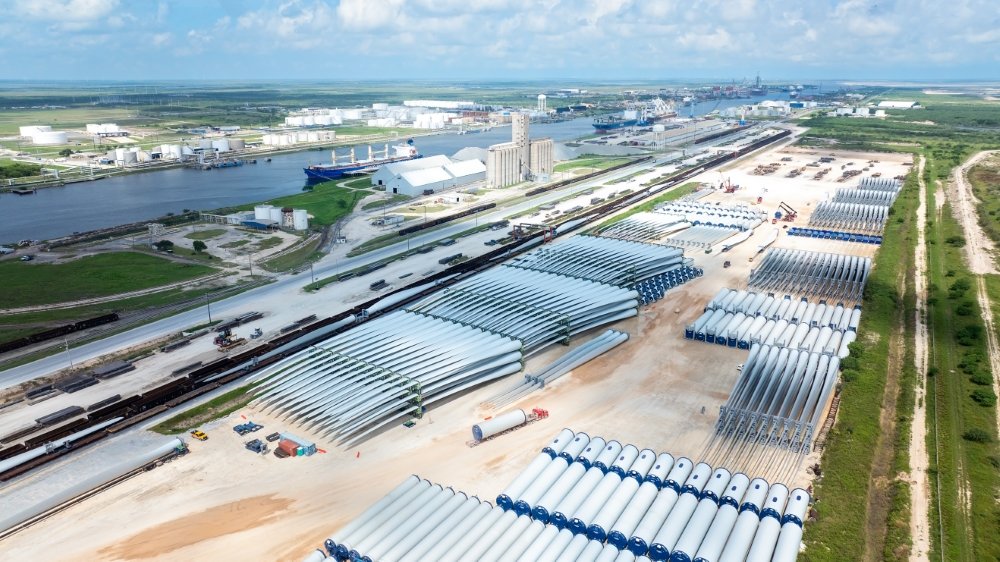
The port authority covers 40,000 acres, which Marine Log describes as the largest land-owning public port authority in the country, and its first business park alone is 118 acres. That is a lot of room, and room changes how a contractor thinks. On a site this big, the work is often in the sequencing: who gets utilities first, where the laydown yard goes, how a concrete plant and a steel erector share the same haul road without blocking each other.
If you are weighing a manufacturing plant, a storage terminal, a warehouse with rail service or a large tilt-wall building, this is the page for you. We will tell you early what the site needs before a single pad is poured.
Rail, trucks and the foreign trade zone
A Trade and Industry Development profile describes the port as served by short-line rail that connects with three Class I railroads, as Foreign Trade Zone No. 62, and as 13 miles by rail and 7 miles by truck from international crossings. In 2024 it recorded 2,322 vessel calls, 450,000 truck movements and 95,000 railcar movements. Those numbers translate into design choices. A building that receives rail needs a slab and a track-side apron that tolerate point loads and vibration, and a building that receives trucks needs a court that does not rut after the thousandth turn.
We bring a logistics and distribution mindset to port work even when the tenant is a manufacturer. Where the dock doors face, how trucks stage, how a foreign trade zone user keeps goods separated from domestic stock, and how much room a forklift fleet needs to turn all affect the building before they affect the lease. The trade partners for warehouse construction draw those flows on the floor plan early so the pour reflects them.
Large-footprint buildings and heavy slabs
Marine Log reported that a steel fabricator is investing $85 million in a 650,000-square-foot facility at the port, expected to create more than 600 direct and indirect jobs. A building that size is a different animal from a strip center. The slab is a major structure in its own right, with a thick section, careful joint layout, high flatness requirements and often embedded plates for equipment. We coordinate and manage the concrete trade partners so the pour sequence, curing and saw-cutting follow the plan our team set and inspects.
The same coverage notes a flour mill and sunflower seed plant at the port that is expected to employ 120 people. Food and agricultural processing brings its own demands: washdown floors, sloped drains, clean envelope detailing and tight control of what enters the building. We have the pre-engineered, structural steel erection and tilt-up options to match those needs and the budget, and we compare them on the same assumptions.
What actually moves the price at the port
The biggest line items on a port site tend to be below grade. Fill and preload to raise a pad above surge and flood levels, deep foundations under heavy equipment or tall structures, and utilities run across long distances all cost money before vertical construction starts. After Hurricane Dolly in 2008 the National Weather Service estimated a storm surge of 4 feet and a storm tide of 5 feet at the ship channel entrance. We take that number seriously when setting finished floor elevations and equipment pads.
Steel and concrete pricing, long-lead equipment and crane time come next. Our long-lead procurement approach identifies items such as overhead doors, transformers, switchgear and rooftop equipment early, orders them against the schedule, and tracks them so delivery delays show up in weeks, not at the last minute. We also separate the cost of things you can choose from the cost of things the site dictates, so the owner can see where a decision actually changes the number.
Building around a working port
A port is not a vacant lot. Trucks and rail move around the clock, security rules govern who can enter, and shipping schedules do not wait for a drywall inspection. We build a site logistics plan before mobilizing: where our gates are, how workers are badged, where concrete trucks queue, and which days heavy deliveries are most likely to conflict with port traffic. A clear plan avoids the awkward calls from a tenant's operations manager.
Public-sector improvements can also change the ground around you. FreightWaves reported in June 2026 that the roughly $295.2 million Brazos Island Harbor Improvement Project is complete, deepening the main navigation route of the ship channel from 42 to 52 feet and the entrance and jetty channels from 44 to 54 feet. Deeper water supports bigger vessels, and bigger vessels mean more cargo moving through terminals that need warehouse and yard capacity behind them.
Energy, shipbuilding and heavy manufacturing
Several very large projects have been announced at the port. One LNG export project describes about 1,000 acres at the port, final investment decisions on Trains 1 to 3, 4 and 5, and about 7,500 construction and trade workers at peak. Another LNG developer announced a $500 million investment led by a financing partner, though it has not yet reached a final investment decision. The Texas governor's office announced a $3.248 billion capital investment in a shipyard and advanced manufacturing facility at the port, with 10,000 new jobs.
We are not building those projects, and we want to be clear about that. What we do see is the surrounding demand: offices, workforce facilities, warehouses, fabrication shops, vendor yards and supply buildings that serve manufacturing operations of that scale. Cameron County's tax abatement table lists four phases of shipbuilding and advanced manufacturing agreements entered June 16, 2026, with incentive periods starting in 2029, 2031, 2033 and 2039, which tells suppliers and tenants the demand is planned in stages over many years. If you are a supplier planning to follow, we can help you size a first building and design it to expand.
Plan your port site with a builder who knows the ground
Tell us the use, the footprint and the freight you plan to move. We will talk through soils, elevation, utilities and timing, and give you a budget you can take to your lender. We also serve the Brownsville city market and the airport corridor.
Questions Owners Ask
How do you handle storm surge when setting a building elevation at the port?
We start with the flood maps and the surge history for the specific parcel, then set finished floor and equipment elevations with your engineer. Dolly in 2008 produced an estimated 4-foot surge at the channel entrance, so critical equipment sits well above that. Raising a pad costs money, but rebuilding inside a flooded plant costs far more.
Can a building at the port have its own rail spur?
Often, but it depends on where the parcel sits and what the rail operator and the port authority approve. We coordinate track layout, loading dock positions and slab design together, and we ask the port and the operator about spur capacity before the design hardens. A track built into a slab late in the process costs more than one planned from the start.
What is a realistic schedule for a 100,000-square-foot warehouse here?
A shell on prepared ground is commonly measured in months rather than weeks, with the pad, slab and steel frame as the critical items. Soils, fill, permits and long-lead items such as doors and electrical gear decide the real date. We give you a schedule with the assumptions spelled out so you can see where the risk sits.
Do you work on the large energy and shipyard projects announced at the port?
No, and we do not imply that we do. We build the support facilities and neighboring industrial buildings that such projects tend to generate: fabrication shops, warehouses, offices and yards. We are happy to discuss how our distribution center construction experience fits a supplier's needs.
How early should I involve you before buying port land?
As early as possible. A soil boring, a utility check and a flood review before closing can change the price you are willing to pay. We offer preconstruction help so you can compare sites on real numbers and avoid surprises after the purchase.
Related
Related Services
Related Building Types
Related Industries
Related Service Areas
Ready to talk about your project?
Request a Project Review
Planning a build in Brownsville or Cameron County?
Share the site, the building and the schedule. We will walk the drainage, soils and permit path with you and follow up with next steps.