
Waterfront and Marine Construction in Port Isabel, TX
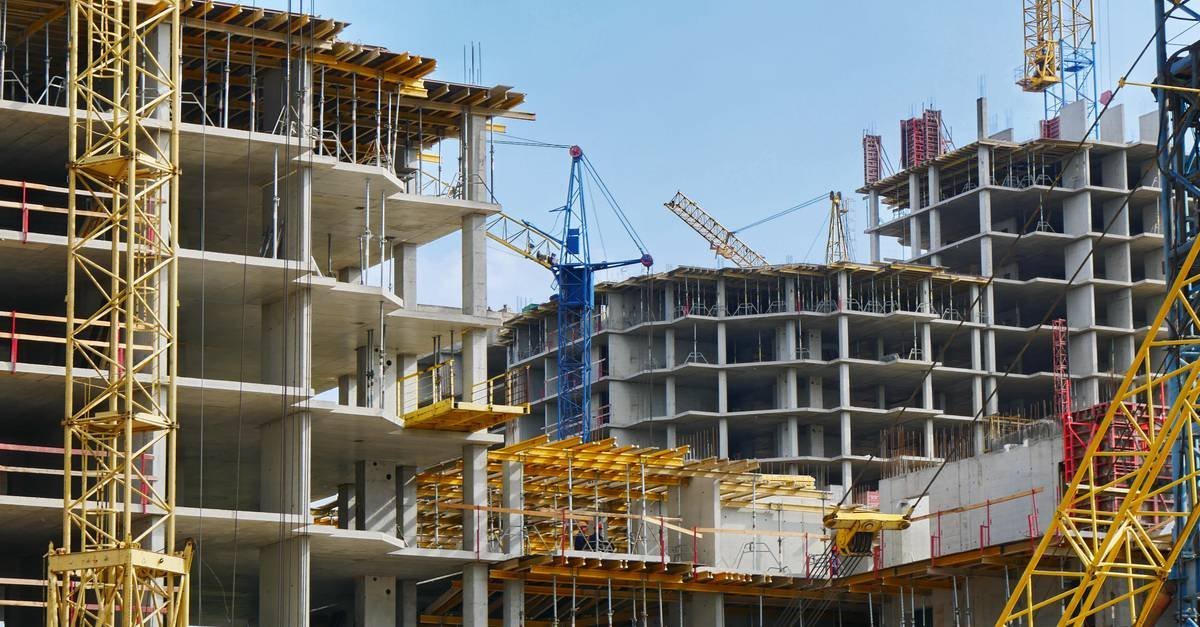
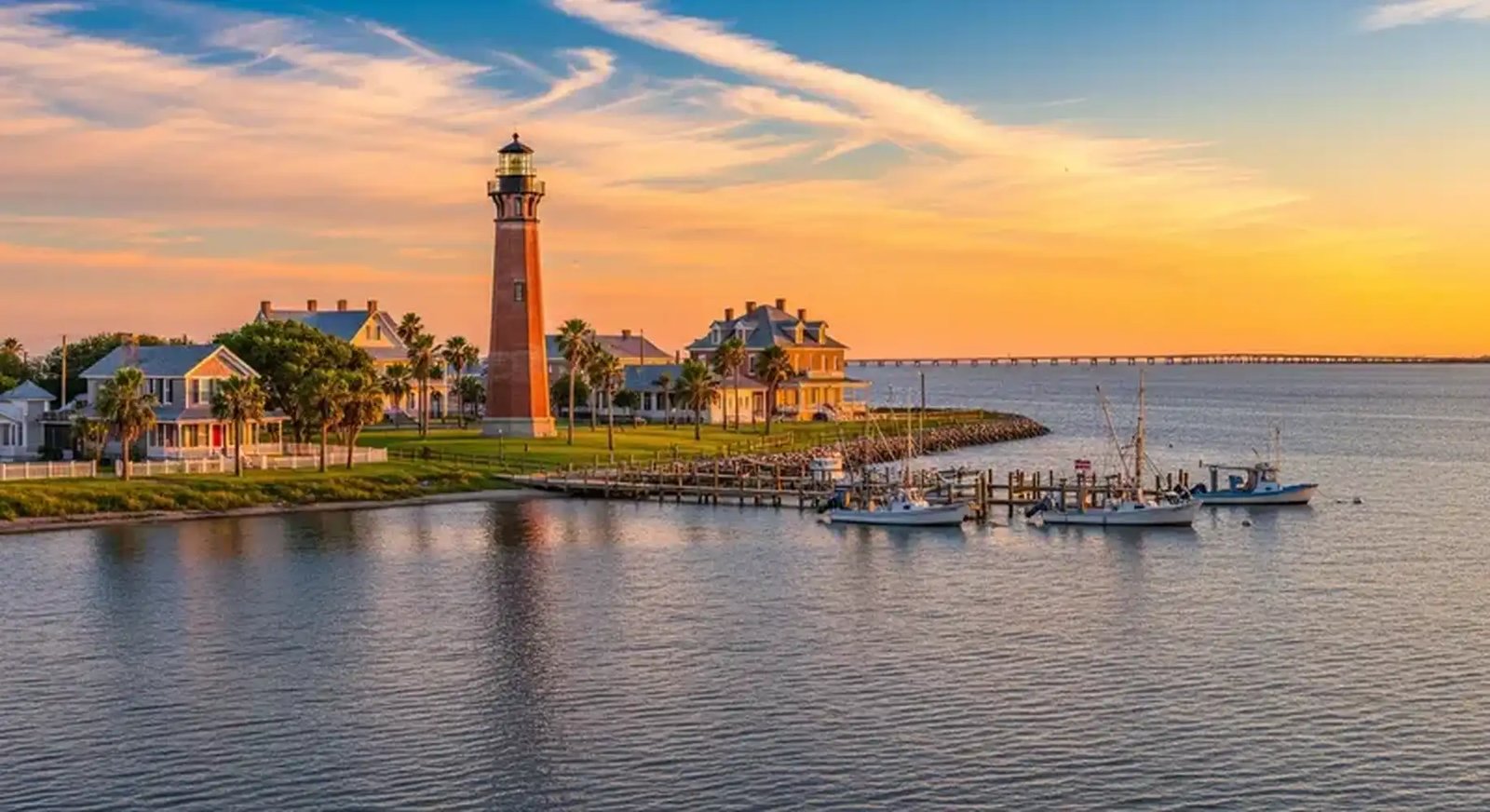
Salt air corrodes fasteners, tidal flooding finds every low door, and a shop that serves offshore crews cannot sit idle while a contractor sorts out drainage. We build waterfront and near-waterfront buildings in Port Isabel: fabrication and repair shops, warehouses and yards for marine tenants, restaurants, small hotels and the commercial space that supports a working harbor. The construction trade partners are bilingual, our methods are chosen for coastal exposure, and we explain the permit path to owners who have not built on the water before.
The land here is low. Wikipedia places Port Isabel on the west side of the south end of the Laguna Madre at about 6.6 feet of elevation, and that single number changes the way we think about everything from the slab to the electrical panel. Floors set a few inches above the street are not enough when a storm pushes water into the bay and the rain cannot drain out. We start with elevation and let it shape the structure, the materials and the budget.
Industrial and marine owners get one more promise from us: a schedule that respects your business. If you have vessels to service or contracts to fill, we plan the construction to keep disruption small.
A working port with room to lease
The Port of Port Isabel's website, which is undated, describes 726 acres of waterfront land and related facilities, with about 45 acres available for lease at 250 Industrial Drive, a project depth of 36 feet as one of 12 deep water ports in Texas, and more than 17 businesses employing more than 500 people, with offshore-focused tenants. Because the page carries no date, confirm availability and current tenants with the port before making plans.
For a business thinking about leasing land there, the practical questions are what can be built, who owns the improvements and how the lease treats the buildings at the end. We help owners think through those questions as part of our design-build services by pricing a building together with the pad, utilities, paving and lighting a tenant yard really needs. A shop with no laydown space or crane access is only half a project.
Shops, sheds and yards for marine and offshore work
Marine tenants need big doors, high bays, overhead cranes in some cases, and concrete that tolerates steel dragged across it. We build these as pre-engineered metal buildings with coatings and fasteners specified for salt air, and we detail wall bases, door sills and penetrations so water, bugs and corrosion have fewer ways in. Where a shop needs an overhead crane, we design the runway beams and foundations together with the frame.
Yard work is as important as buildings. Fabrication and storage yards need a paving section that handles heavy trucks, forklifts and stacked loads, with drainage that catches oil and silt before it leaves the property. The trade partners for truck court and apron paving build with that in mind, and we plan storm drainage in line with the port's requirements.
What storms and rainstorms have done here
The National Weather Service reported that Hurricane Dolly on July 23, 2008 produced a measured storm surge of 2.95 feet and a storm tide of 3.87 feet at Port Isabel. After Hurricane Hanna in 2020, the Port Isabel-South Padre Press reported that Port Road was submerged and that the city reported minor damage citywide, including roof leaks in city buildings that were already under repair. Those numbers are modest next to the strongest hurricanes, yet they were enough to flood roads and leak roofs.
Even an ordinary rain event can cause trouble. The same paper reported in May 2021 that nearly three inches of rain fell in under three hours, briefly flooding Highway 100 intersections at Garcia, Musina, Gomez and Second streets and cutting power to most of Laguna Heights. A building that depends on customers reaching it, or a shop whose power must stay on, should plan for access and backup. We talk to owners about generators, elevated panels and sealed penetrations as basic items.
Wind, water and the windstorm program
Cameron County is one of the counties for which the Texas Department of Insurance publishes windstorm program zone pages. Starting April 1, 2026, Windstorm Certificate of Compliance applications must be certified under either the 2024 International Residential Code or the 2024 International Building Code, according to the department's page, and the designated areas did not change. Owners who want windstorm insurance coverage need a design that meets those requirements and the documentation to show it.
We coordinate with the engineer on wind-rated openings, roof attachments, impact protection where required, and the inspection steps that the program demands. Our permitting and entitlements work makes sure the right paperwork is in the file before we pour, since fixing a missed certificate after the fact is expensive.
Tax zones and the cost of building at the waterline
Cameron County's economic development page lists Port Isabel TIRZ #1, known as Modern Venice, with 75 percent county participation through the end of 2042 and listed projects of $16,945,000, along with a Port Isabel TIRZ PIPID #1 with 100 percent county participation through the end of 2027 and listed projects of $13,375,000. These are planned public investments, not subsidies for private buildings. They may nonetheless affect streets, drainage and utilities near a parcel.
The costs that move a coastal budget are elevation, corrosion-resistant materials, wind-rated openings, deep foundations in soft soils and insurance requirements. We list those items separately in our estimates so you can see what is driven by the waterfront and what is driven by your program. For hospitality groups and our restaurant construction clients, that plays out in a familiar way: a restaurant near the water often spends more on storefront, roof and electrical protection than the same plan inland.
Plan your Port Isabel building
Tell us the use, the lot and the lease or ownership situation. We will look at elevation, wind requirements and drainage, then outline a budget and schedule. Our Rancho Viejo work shows how we handle a different kind of water-edge lot.
Questions Owners Ask
Can I lease port land and build my own shop?
That is a question for the port and your attorney, since lease terms govern what can be built and who owns it at the end. We can price a building and site package for you so you can evaluate the lease with real numbers.
Why do you set floors so high near the bay?
Because land at roughly 6.6 feet of elevation floods quickly when water has nowhere to go. Raising the floor protects equipment and inventory, and in flood zones it may be required. We explain the number in your design and show what it costs.
What kind of exterior materials hold up to salt air?
Galvanized or coated steel, stainless fasteners, fiber-cement or masonry cladding and aluminum storefronts with marine-grade finishes perform better than bare steel. We select materials with lifespan and maintenance in mind and give you options at different price points.
Do you build near the water on both sides of the causeway?
Our work includes both Port Isabel and the island across the Queen Isabella Causeway. See our South Padre Island page for the island's particular wind, surge and access issues.
How do you keep a working yard running during construction?
We phase work, mark off clear lanes for trucks, and schedule noisy or disruptive tasks around your operations. Tell us what has to keep moving and we will lay out the sequence accordingly.
Related
Related Services
Related Service Areas
Ready to talk about your project?
Request a Project Review
Planning a build in Brownsville or Cameron County?
Share the site, the building and the schedule. We will walk the drainage, soils and permit path with you and follow up with next steps.