
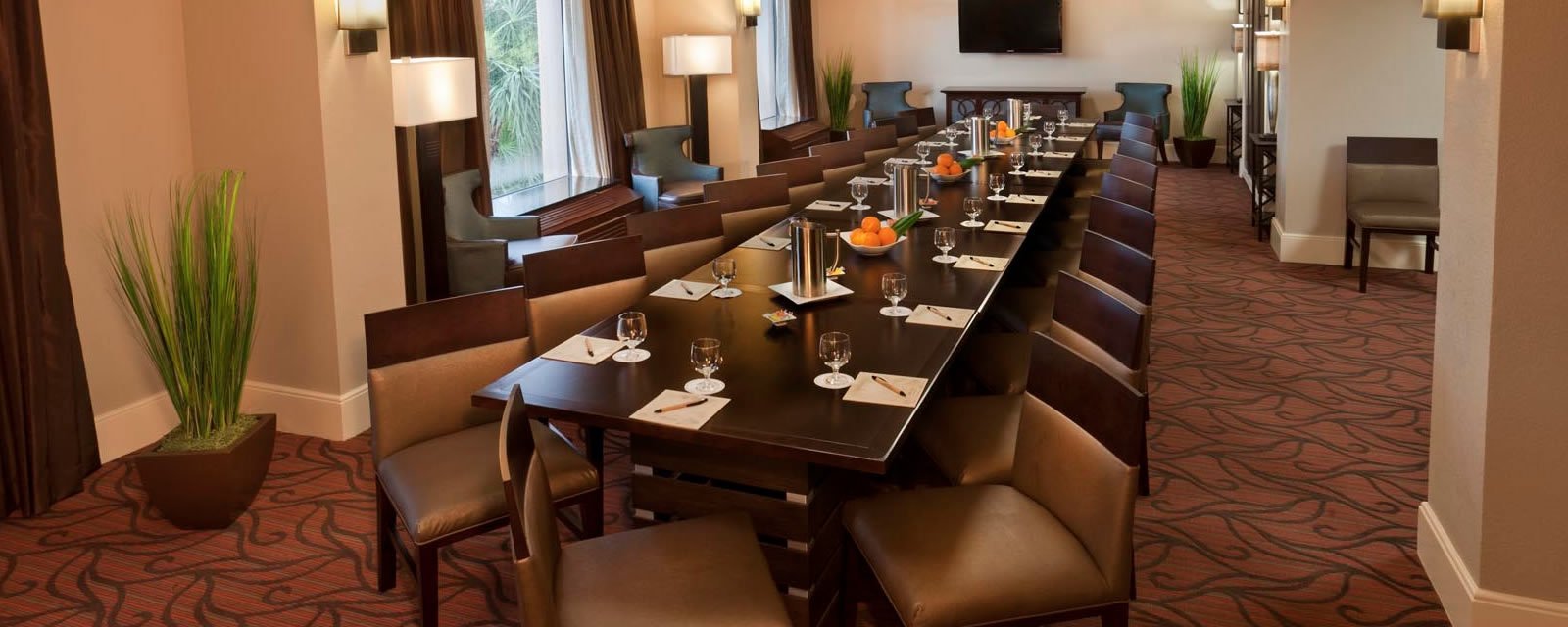
Hotel Construction on the Texas Coast and in Brownsville
Gulf Boulevard was completely underwater on July 23, 2008, when Hurricane Dolly pushed an estimated 4-foot bayside surge across the west end of South Padre Island and left about 4 feet of water on Esperanza Street, according to the National Weather Service. A hotel on this coast is built knowing that day can come again, and the guests who fill it in July are the same people who will be asking at check-in about the forecast.
That tension defines hospitality work here. A hotel must feel open, bright and close to the water, yet it must be designed to survive surge, wind and several inches of rain in a day. Between the island, Port Isabel, the Rancho Viejo resort area and the city of Brownsville, buyers also choose between very different markets, from beach tourism to business travel tied to the port and the airport.
We build limited-service and full-service hotels, resort additions, suites and renovations, and we plan around the coast from the first sketch.
Four hotel markets inside one county
South Padre Island is the obvious resort market. It had 2,066 residents at the 2020 census and sits at 6.6 feet elevation, and its primary industry is tourism. The island has one road access, the Queen Isabella Memorial Causeway built in 1974, so every truck of concrete, every pallet of mattresses and every worker arrives over a single bridge. Port Isabel, across the Laguna Madre, sits at the same elevation and is the working side of the same tourism economy.
Inland, the picture changes. Rancho Viejo includes a resort and country club covering about 1,400 acres, mostly golf courses, and sits in a town of 2,838 residents at the 2020 census. Brownsville itself serves business and port travelers, and the airport terminal that opened in January 2021, about 91,000 square feet with four gates, handled 319,000 passengers in 2024. We maintain separate pricing assumptions for each of these markets, and our South Padre Island page and airport page describe the logistics.
Surge, wind and where the first floor goes
On the island and the bay side of Port Isabel, the first question is the elevation of the lowest occupied floor. Hurricane Dolly's surge flooded the west end of South Padre Island, and Hurricane Hanna in July 2020 brought at least 8 to 10 inches of rain, destroyed docks, fences, signs and trees and prompted the island to build sand barriers at beach accesses. A hotel with parking, lobby and retail at grade will be designed very differently from one with an open ground floor and guest rooms above.
This is why a raised podium or open-parking base is common on coastal hotels, and why our podium and wrap construction experience carries over. Our parking structure page shows how an open deck can serve as that base. The structure above, whether concrete, steel or light-gauge framing, is then designed for wind, with impact-rated glazing, tied-down roof systems and exterior finishes that tolerate salt air. We discuss the trade-offs early, because an extra half level of parking structure can change both the cost and the guest experience.
What public money and plans are signaling
The Port Isabel-South Padre Press reported on March 19, 2026 that a concept would expand the South Padre Island Convention Centre exhibit hall from about 22,000 square feet to about 50,000 square feet, with about $42 million possibly available without bonds, roughly $16 million from the venue tax fund and about $26 million in visitors bureau reserves. No construction estimate had been presented at the open house in early March, so the plan is a concept, not a contract. A convention hall that size would raise demand for nearby hotel rooms, meeting space and parking, but it is for hotel owners to assess.
Cameron County also lists South Padre Island TIRZ #1 with 75 percent county participation through December 31, 2026 and listed projects totaling $12,500,000, and Port Isabel TIRZ #1 (Modern Venice) with 75 percent participation through December 31, 2042 and listed projects of $16,945,000. Those figures show public interest in the shoreline districts. They do not guarantee hotel demand, and we ask owners to rely on their own feasibility studies.
Keeping a coastal site safe from groundbreaking to opening
Jobsite safety in a hurricane county is a matter of calendar and preparation. From June through November we keep a written storm plan: laydown areas secured, cranes and lifts stowed to the manufacturer's wind limits, loose materials tied down and trailers tied to ground fixings rated to resist uplift. We brief both English and Spanish speakers, so crews on a barrier-island job know who decides to stop work and where to go.
The island adds its own risks. Everything arrives over one causeway, and a stalled truck or a closed lane can stop a pour. We schedule deliveries early in the day, reserve staging areas on the mainland and keep a watch on weather and bridge conditions. This also applies to municipal and civic buildings in the same area, where the same access limits apply.
Building around the tourist calendar
Hotel owners earn most of their revenue in a few busy weeks, so construction is planned to open before them. On the island, we avoid heavy deliveries and noisy work during peak tourist periods, and for renovations of an existing resort we often phase room blocks so the property can stay partly open. We also order long-lead items such as elevators, rooftop equipment and impact-rated windows early, which our long-lead procurement practice is built to handle.
Furniture, fixtures and equipment packages are the last big item. They arrive late in the schedule and decide whether a hotel opens on time, so we coordinate receiving, storage and installation with the owner's operator well ahead of substantial completion. A hotel that misses a season can lose the revenue that justified the project.
Codes and approvals for a hospitality building
Hotels are reviewed for fire and life safety, accessibility and energy. The Texas Department of Licensing and Regulation says the 2012 Texas Accessibility Standards apply to projects registered, permitted or constructed on or after March 15, 2012, and that projects costing $50,000 or more must be submitted for registration and review, which includes most hotels and many renovations. Local Government Code Sec. 214.216 sets the 2012 International Building Code as the municipal floor, and each city may adopt later editions, so we confirm the current edition with each city's building department.
The Texas Department of Insurance windstorm program applies to Cameron County, and from April 1, 2026 certificates of compliance must be certified under the 2024 International Residential Code or the 2024 International Building Code. Coastal construction also involves state and local agencies around beaches and dunes that we do not detail here, and we manage that early through our permitting and entitlements work, and we write the approvals into the schedule for hospitality groups so lenders can see them.
Tell us the market and the flood elevation
Give us the parcel, the room count and the brand or operator requirements. We will outline structure, access, schedule and a risk plan for the coast.
Questions Owners Ask
How does the single causeway affect construction on South Padre Island?
Every delivery, worker and piece of equipment comes over the Queen Isabella Memorial Causeway. We schedule deliveries to avoid peak traffic, stage materials on the mainland and plan concrete pours carefully. TxDOT has been studying a second access project, but it is not built, and we do not plan around it.
Do hotels have to be built above the surge level?
The lowest occupied floor must meet the flood requirements for that parcel, and surge and wind design drive the structure. After Hurricane Dolly, bay water flooded the west end of South Padre Island by an estimated 4 feet. We review the flood zone and the structural options with the design team early.
What if I want to renovate and stay open?
We phase the work by room block or wing, protect guest areas with barriers, and schedule noisy work outside peak hours. It takes more coordination and a longer schedule, but the revenue kept can justify it.
Is the convention center expansion a sure thing?
No. It was a concept presented at an open house, with no construction estimate at that time. Treat it as a possible driver of demand, not a certainty, and base your plan on your own feasibility numbers.
How do you protect a site in hurricane season?
With a written storm plan, a stop-work trigger and secured laydown. We remove or tie down loose items, stow lifts and brief every crew in English and Spanish. Hurricane Hanna destroyed docks, fences, signs and trees on the island, which tells us where the weak points are.
Related
Related Services
Related Building Types
Related Service Areas
Ready to talk about your project?
Request a Project Review
Planning a build in Brownsville or Cameron County?
Share the site, the building and the schedule. We will walk the drainage, soils and permit path with you and follow up with next steps.