
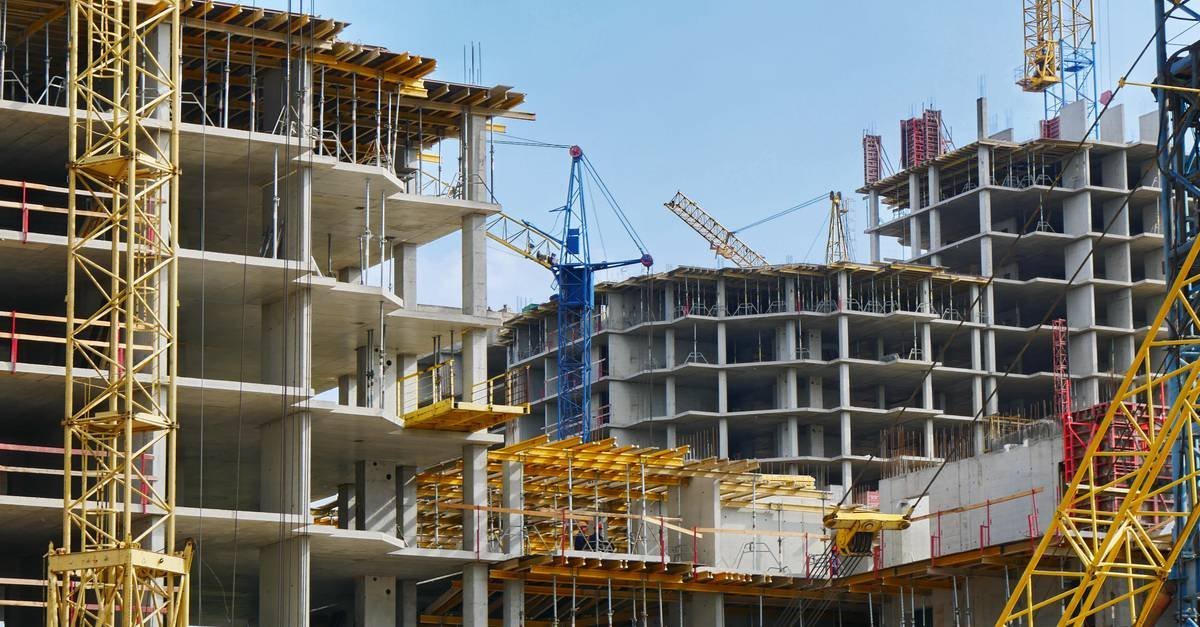

Preconstruction Estimating in Brownsville
At peak construction, one liquefied natural gas project at the Port of Brownsville expects about 7,500 construction and trade workers, according to the developer's own project page. That number matters to anyone pricing a building in the same county, because skilled labor does not appear from nowhere, and a price built on last year's labor market can be wrong by the time it is accepted. Estimating in the Rio Grande Valley is partly arithmetic and partly forecasting.
Preconstruction is where we do both. Before a shovel goes in the ground, we study the drawings or the concept, visit the site, check the soil and flood information, talk to the trades and suppliers, and build a budget that an owner can use to decide whether to proceed, redesign or wait. A good estimate is not a single number. It is a range, a list of assumptions and a short list of risks, all in plain language.
This is what we do and what an owner can expect from us before construction starts.
Pricing in a county with very large neighbors
The same port that is drawing attention for LNG and shipbuilding is also the site of other projects. The developer of the Rio Grande LNG project describes it as located on approximately 1,000 acres at the Port of Brownsville, with Phase 1 at final investment decision in July 2023, Train 4 in September 2025 and Train 5 in October 2025. A trade press report from July 2026 says another LNG developer announced a $500 million investment from an investor group, one of the final steps before a final investment decision that has not yet been reached, with early construction works and a limited notice to proceed covering equipment purchase orders, engineering and geotechnical work.
For a commercial owner, large industrial projects like these influence prices indirectly. They compete for crews, equipment, concrete and haul capacity, and they influence what subcontractors charge. We keep close to the local market, ask our trade partners about their backlogs and build escalation and availability risk into our estimates when it is real. If a project is likely to compete for the same crews, we tell the owner early.
Announcements are not construction, and we treat them with caution. A project that has not reached a final investment decision may slip or change, and a schedule that depends on it can mislead. We use public announcements as signals to check, not as facts to build a price on, and we revisit our assumptions at each design milestone so that the owner is working from the best information available.
Where early budgets go wrong
Early budgets usually miss site work, not buildings. Fill, drainage, detention, utility extensions and off-site improvements can run well above what an owner expects, especially on flat clay land. The second most common miss is the owner's own scope: furniture, equipment, security, signage, utility fees, permits and testing. We list them all and flag which ones we are pricing and which belong to others.
We also separate cost from allowance. A line for lighting, flooring or a door package is an allowance until the owner selects the product, and an allowance is a guess. We track allowances openly and update them as decisions are made. Our site development and utilities pricing is built from a survey and a geotechnical report whenever possible.
Estimates from drawings, quotes and the field
We build an estimate from quantities and from quotes, not from rules of thumb alone. Concrete, steel, framing, roofing, finishes and mechanical, electrical and plumbing systems are measured and priced, and key trades are asked for current numbers. On projects with long-lead items, we ask suppliers for budget quotes and lead times, which feed the schedule as well as the price.
We review drawings for gaps, conflicts and unclear details, and we write questions back to the design team. That process saves money because every unanswered question becomes a change order later. When an owner has not yet hired a designer, we can build a conceptual estimate from a program, a site and a quality level, then refine it as design progresses. For owners who want us on the team early, we can do the work under our design-build delivery or construction management at risk services.
Permits, registration and the soft costs
Soft costs are real. The Texas Department of Licensing and Regulation states that projects costing $50,000 or more must be submitted for registration and review under the Texas Accessibility Standards, and the Texas Department of Insurance requires windstorm certification under the 2024 International Building Code or the 2024 International Residential Code for applications on or after April 1, 2026. Both carry fees and design requirements that affect the budget.
Cities in Texas may adopt later editions of the International Building Code than the 2012 edition that state law sets as the municipal floor, and that affects design and cost. We confirm the code edition and the local amendments that apply to the parcel at the start of preconstruction, and we include the cost of inspections, special testing and utility fees in the budget so there are no surprises.
Owners also benefit from knowing the cost of time. A month of delay costs interest, rent, lost sales or extended general conditions, and a faster delivery method can be worth its premium. We put that tradeoff on paper, using the owner's own numbers, so the choice between a slower, cheaper path and a faster, costlier one is a business decision rather than a guess.
What follows the estimate
A budget is only useful if someone acts on it. Many of our owners go from estimate to procurement, and our long-lead procurement process lets us reserve materials and equipment early. Developers can see how this fits their pipelines on our commercial real estate developers page, and public owners can read about the added steps on the government and public sector page.
We are based in and serve Brownsville, so our numbers reflect the cost of building here, including the weather, the soil and the labor market.
Get a budget you can use
Send us the drawings, the program or even the idea. We will tell you what it will cost, what we assumed and what could change.
Questions Owners Ask
How accurate is an early estimate?
It depends on the information. A conceptual estimate may carry a wide range, which narrows as drawings, soils and quotes arrive. We state the range and the assumptions clearly.
Do you charge for preconstruction?
Terms depend on the scope and the delivery method. We discuss them openly at the start, so you know what is included before work begins.
Can you help me compare sites?
Yes. We review flood status, soil information, utility access and likely site costs for each parcel, and we show how those differences affect the budget.
How do you handle price changes?
We use current quotes, note the date and expiry of each and build contingency where the risk is real. We update the estimate as design and market conditions change.
What do you need from me?
The site, a description of the use, the size and any drawings or program documents you have. A survey and soil report help but are not required to begin.
Related
Related Services
Related Industries
Ready to talk about your project?
Request a Project ReviewPlanning a build in Brownsville or Cameron County?
Share the site, the building and the schedule. We will walk the drainage, soils and permit path with you and follow up with next steps.