
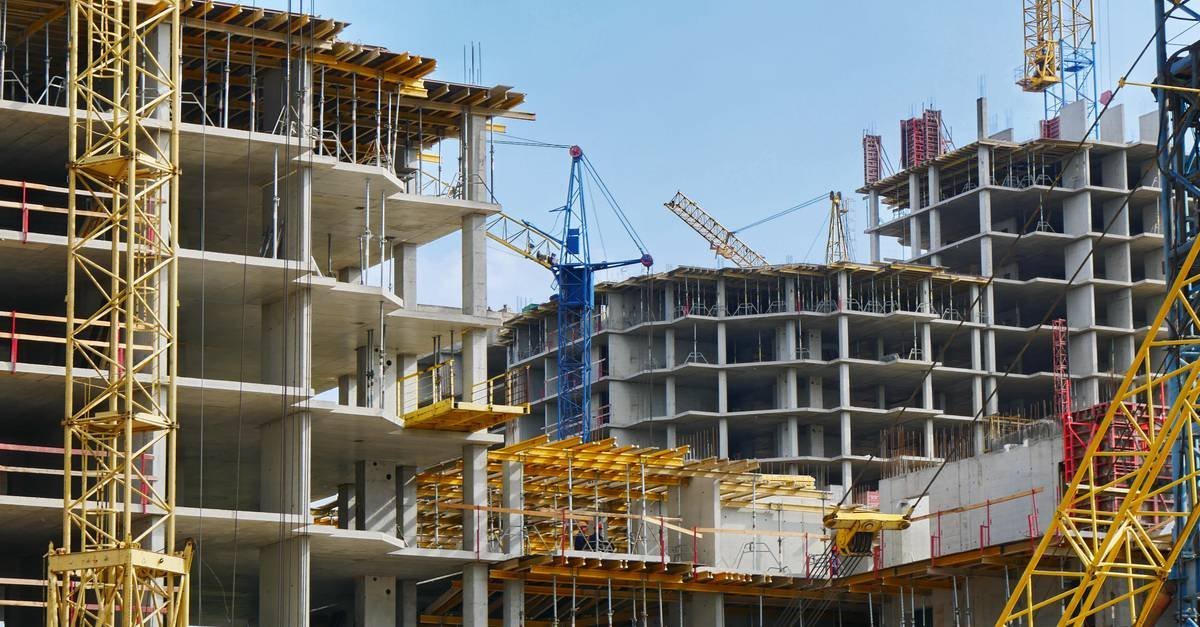
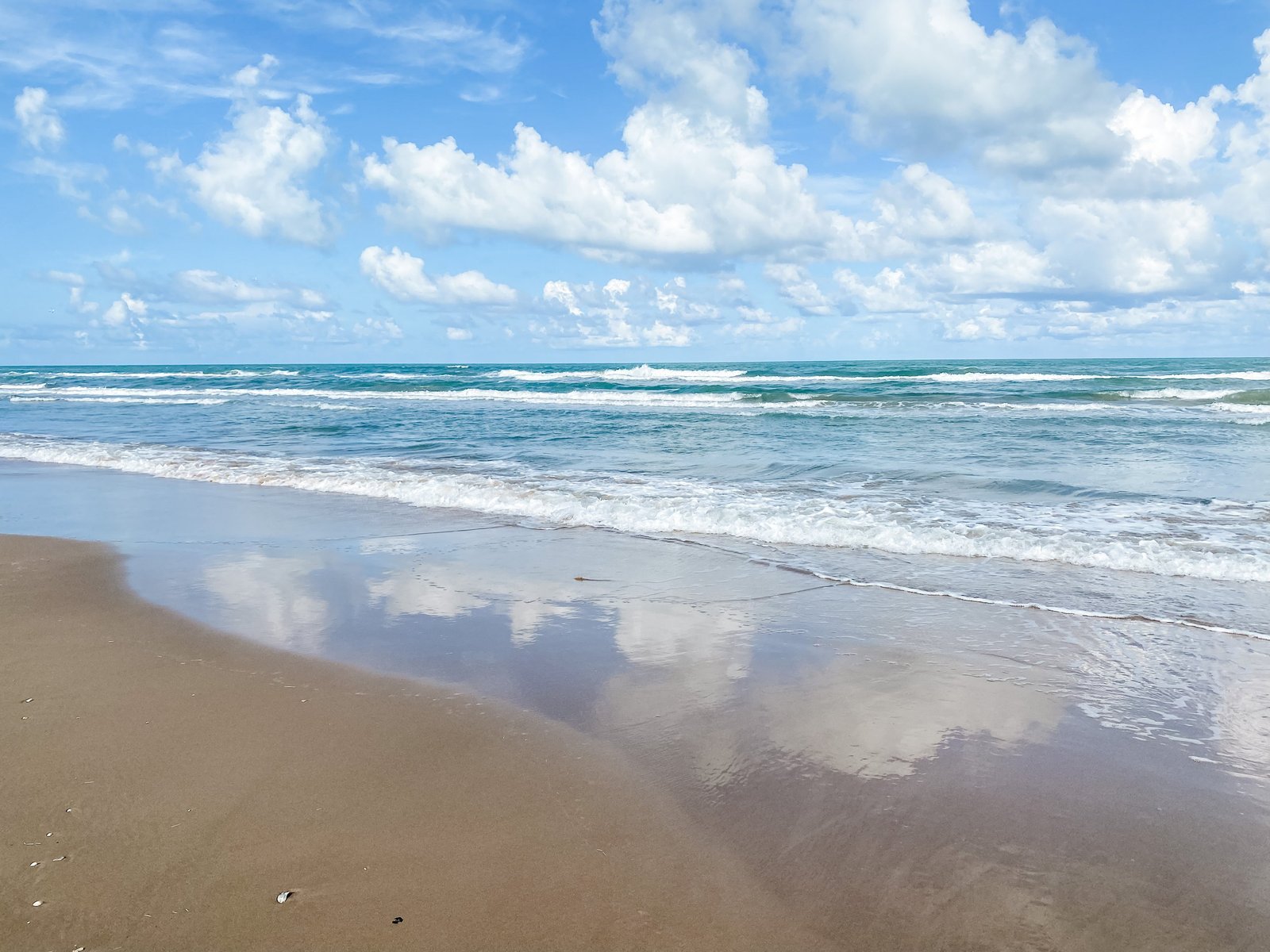
Hotel and Resort Construction on South Padre Island
Concrete trucks bound for South Padre Island all squeeze through the same two and a half miles of causeway, and that fact controls how we plan every hotel, condominium, restaurant and retail building we build there. We price island work differently from mainland work because materials, crews and inspectors all arrive over one bridge, and the schedule has to respect traffic, weather and the tourist calendar. Hospitality owners and developers deserve a builder who tells them that on day one rather than discovering it in month three.
The construction trade partners build for coastal conditions: wind-rated envelopes, corrosion-resistant hardware, raised floors, protected electrical and mechanical equipment and drainage that works when the bay is high. We are bilingual in practice, steady in temperament and honest about what the island's soils, tides and regulations mean for cost. Owners who plan to operate here for many years usually want the same thing we do: a building that looks good in year one and still works in year twenty.
Wikipedia describes tourism as the island's primary industry and records its hurricane history, including Beulah in 1967 and Dolly in 2008. We read that as a reminder that a hospitality building here serves two masters, the guest who wants a view and the storm that wants the roof.
One road in, and a second one under study
TxDOT states that the Queen Isabella Memorial Causeway, built in 1974, is the island's only roadway access, fed by FM 510, SH 100 and SH 48. In 2023 TxDOT became sponsor of the South Padre Island Second Access Project and the Transportation Commission designated SH 104, and in 2024 TxDOT restarted the project, now preparing a Supplemental Draft EIS to consider non-tolled alternatives. Wikipedia adds that a second causeway would be 3 to 4 miles north of the existing bridge, with an estimated cost of $700 million to $1 billion and construction possibly starting around 2029, though it is a plan and not a promise.
For a builder, one road in means staged deliveries and careful logistics. We schedule concrete pours for early mornings, stage steel and curtain wall at mainland yards so they arrive just in time, and keep waste hauling and subcontractor trucks on off-peak hours. Our long-lead procurement process matters more here than on the mainland because a delayed delivery can idle a crew for days.
Hotels, condominiums and restaurants
The work that fits the island is mostly hospitality and residential. Our hospitality and hotel construction covers resort hotels, boutique properties and renovations of aging buildings. We also build restaurants, bars and retail shops that serve visitors, and multifamily and condominium projects for owners who want private residences or second homes. In each case we coordinate with the architect and the owner's operator so that finishes, equipment and layouts suit how the building will run day to day.
Renovations are a large share of island work, since older beachfront buildings need new roofs, windows, balconies and mechanical systems. We use phased work, protective barriers and a tight schedule so that the guest areas remain open, and we avoid heavy work during peak seasons. Hospitality groups often tell us the schedule is the most important thing they can buy from a contractor.
Surge and rain: what Dolly and Hanna showed
The National Weather Service reported that during Hurricane Dolly on July 23, 2008, bay water flooded the west end of the island with an estimated 4-foot bayside surge west of Laguna Boulevard, about 4 feet of water on Esperanza Street and Gulf Boulevard completely underwater. In 2020 the Port Isabel-South Padre Press reported that Hurricane Hanna dropped at least 8 to 10 inches of rain on the island, and that winds destroyed docks, fences, signs and trees. The island built sand barriers at beach accesses and handed out sandbags beforehand.
These events inform design in several ways. Ground-floor space on the bayside may need to be non-habitable, flood-resistant or elevated. Mechanical equipment goes on roofs or platforms. Docks, fences and signs need real structural attachment, not the minimum. We talk through these decisions with owners early and choose a level of protection that fits the property's role, since a bayside restaurant and a Gulf-side condominium face different risks.
Windstorm certification and accessibility
The Texas Department of Insurance states that starting April 1, 2026, Windstorm Certificate of Compliance applications must be certified under either the 2024 International Residential Code or the 2024 International Building Code, that the designated catastrophe areas did not change, and that it publishes separate Cameron County zone pages. For an island property, a windstorm certificate often determines whether you can get insurance at all, which means the design and the inspection steps need to match the program from the start.
Accessibility is another gate. Projects costing $50,000 or more must be registered with the Texas Department of Licensing and Regulation, and every hotel needs accessible rooms, routes and amenities. Our permitting and entitlements team builds a schedule that shows each review and the owner's decision points, so no one is surprised by a comment from an inspector three weeks before opening.
What might change on the island
The Port Isabel-South Padre Press reported in March 2026 that a concept would expand the South Padre Island Convention Centre exhibit hall from about 22,000 square feet to about 50,000 square feet, with about $42 million possibly available without bonds (roughly $16 million from the venue tax fund and about $26 million from convention and visitors bureau reserves). No construction cost estimate was presented at the March 3 open house, and the concept was still under discussion. If it proceeds, it could support demand for hotel rooms, restaurants and event-related construction.
Cameron County also lists South Padre Island TIRZ #1 with 75 percent county participation through the end of 2026 and listed projects totaling $12,500,000. We watch such planned investments because they hint at where public work may happen. We never count on them in a private budget. If you are comparing sites on the Port Isabel side of the causeway with island sites, we can lay the two options next to each other for you.
Working over water and in wind
Island work puts crews close to wind, salt and water. We set wind limits for crane lifts and glazing installation, secure loose material daily and plan the site so that it can be made storm-ready in hours, not days. During hurricane season we keep an updated storm plan on file and agree it with the owner before the season begins.
Worker safety also depends on heat and hydration. Our superintendents schedule heavy work for cooler hours, provide shade and water, and stop work when conditions demand it. These habits help us deliver on time because a rested crew builds better. They also go with us to our other Brownsville-area projects, where the same sun and humidity apply.
Start an island project the right way
Tell us what you want to build, where it sits and when you want to open. We will map out logistics, wind and flood design and a realistic budget. If your site is on the mainland side of the causeway, our Port Isabel work will be relevant too.
Questions Owners Ask
Why does island construction cost more than mainland work?
Because everything arrives over one causeway, so deliveries take longer and crews spend more time traveling. Wind, corrosion and flood-protection requirements add cost to materials and details. We itemize those factors so you can see what is island-driven.
What time of year is best to build on the island?
Off-season months generally mean less traffic and fewer guests, which helps with deliveries and noisy work, but hurricane season runs through autumn. We plan roofs and structure to be complete before the heaviest storm months where we can, and adjust if your opening date requires otherwise.
Will a second causeway change my construction plans?
Not for now. The project is still in environmental review, and Wikipedia reports construction possibly starting around 2029. Any plan you make today should work with the existing bridge, and we will tell you if the project becomes real enough to affect your schedule.
Can you renovate a hotel while it stays open?
Yes, with phasing. We close and renovate in sections, build temporary barriers and noise controls, and set work hours around the guest experience. We agree on a plan with your operations staff before we start.
Do I need a windstorm certificate for a new building?
Often yes, particularly if you want coverage through the state windstorm program. The requirements depend on the building's location and the year, so we confirm them with the engineer and the insurance department at the start of design.
Related
Related Services
Related Building Types
Related Service Areas
Ready to talk about your project?
Request a Project Review
Planning a build in Brownsville or Cameron County?
Share the site, the building and the schedule. We will walk the drainage, soils and permit path with you and follow up with next steps.