Fulfillment and Logistics Center Construction in Brownsville
No cargo carriers serve the Brownsville/South Padre Island airport on a regular basis, according to the airport's published profile, and that single fact says something about how fulfillment works here. Parcels and online orders reach this part of Texas on trucks, which means that a fulfillment center in the Valley is judged by road access, labor, power and how quickly a van can get from the dock to a front door.
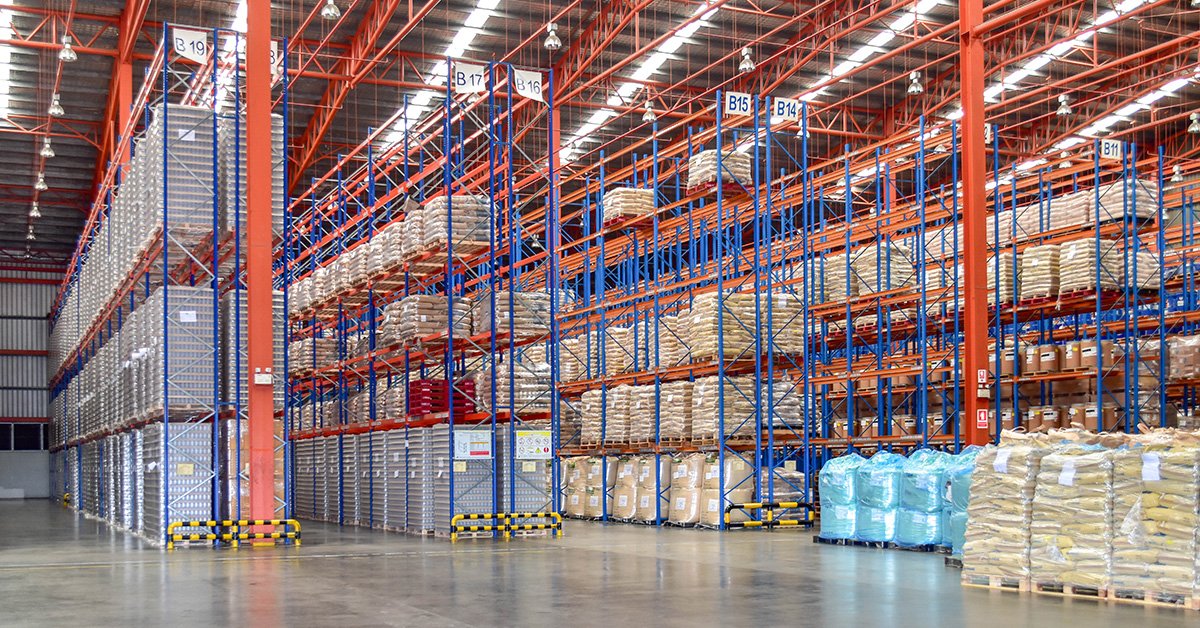
Fulfillment and logistics centers are not the same as warehouses. They are built around people and conveyors as much as racking: pick modules, packing stations, returns processing, mezzanines, sortation lines and a large number of small dock doors for vans and box trucks. The structure is often simple, but the interior is dense, and the electrical and data systems are heavy. We build these centers for retailers, third-party logistics firms and local operators who sell to a fast-growing region.
We describe below how we approach the site, the building and the schedule.
A growing city with new land at its edge
Cameron County lists the Brownsville Madeira Espiritu Santo tax increment reinvestment zone, covering about 1,330 acres on the southeast side of the city beginning at the intersection of Highway 100 and US 77/83. The zone was approved on December 8, 2020 with a 30-year term, and its listed projects include an arena, a university complex, roads, trails, parking and public infrastructure. For a fulfillment operator, the interesting part is not the arena but the infrastructure: new roads, utilities and nearby growth bring customers and workers to land that is currently open.
North of town, the Old Alice Road expansion, as reported by KRGV in October 2024, would connect the Brownsville Sports Park to State Highway 100 in Los Fresnos over nearly five miles at a cost of about $38 million, with TxDOT expected to pay at least $35 million. Current status was not confirmed, and the county's plans may have changed. We watch such corridors because they may open new sites. Our work around Los Fresnos and Brownsville follows that pattern.
A third consideration is the bilingual workforce that fulfillment depends on. Signs, safety training and posted procedures work better in both English and Spanish, and our site teams and trade partners already work that way, which makes it easy to design the building with clear wayfinding for the people who will run it. We also think about transit, ride-sharing and the way shifts change, since a shift change can bring hundreds of cars at once and the entrance has to handle them safely.
Inside the building
A fulfillment center is often built in two layers: a shell that could pass for a modern warehouse, and an interior that the operator customizes. We build the shell, the slab, the dock doors, the mezzanine structure, the lighting and the mechanical systems, and we leave room for the racking, conveyors and sortation equipment that the operator or its vendor will install. Mezzanines are common, and their loads must be coordinated with the slab and the columns below.
Electrical service is heavy because conveyors, charging stations and lighting run all day. Data cabling, wireless coverage and security cameras add to the load. We coordinate with the utility early, because switching to a larger service late in the project can add months. Break rooms, restrooms and welcome areas matter too, since hiring and keeping workers is one of the biggest challenges in fulfillment, and a pleasant building helps.
Last-mile operations add their own wrinkles. Vans and box trucks need dock doors at a lower height than tractor-trailers, and a fleet of delivery vehicles needs parking, charging or fueling, washing and a place for drivers to check in. We plan a separate van court where the site allows, so that smaller vehicles do not tangle with long trailers, and we size the lighting and security for early morning and late evening shifts. These choices are cheap to make on paper and expensive to correct after the paving is in.
Permits and the site plan
A fulfillment center usually involves more cars than a typical warehouse because of the number of employees. Parking, driveways and traffic impact are therefore central to the permit review, and the site plan may need a traffic study. Texas Local Government Code Sec. 214.216 sets the 2012 International Building Code as the municipal floor, and cities may adopt later editions, so we confirm which edition the local building department enforces.
Drainage is the other major topic. On flat clay land, a big roof and a large paved lot shed a lot of water, and the site must be able to hold or release it without flooding neighbors. We work with the civil engineer on detention and outlet design, and we coordinate with the city or county on floodplain rules. The trade partners for site development and utilities build the system as designed.
Racing a retail calendar
Fulfillment projects are often driven by seasonal peaks, so the schedule has to deliver a working building before the busy period begins. We build backward from the date the operator needs to start training and stocking, which usually precedes the date of turnover by several weeks. Long-lead items, such as dock equipment, electrical gear and fire protection components, are ordered early.
We also schedule around the weather. Summer storms are common on this coast, and foundations and site work are most vulnerable to rain. Where possible, we pour slabs and set structure before the heaviest part of the season and keep the site graded so that water drains away. If the operator's equipment arrives before the building is finished, we can sometimes turn over a zone early with a separate access route.
Bringing the whole site together
Parking and employee access are often the largest paving items on the site, and the trade partners for parking lot construction build lots that drain well and carry the trucks that use them. Clearing and filling the site comes first, which is the job of the trade partner team for mass grading.
Retailers and e-commerce brands can read more about our approach to retail chains, and operators who want a plain warehouse may prefer the information on the logistics fulfillment center page.
Bring the order profile
Share your volume, your headcount and your opening date. We will outline a building, a site and a schedule built around them.
Questions Owners Ask
Do I need a mezzanine?
Many operations use one to add pick or pack space without a bigger footprint. We coordinate its loads with the slab and columns and with the fire protection design.
How much parking will the city expect?
Parking requirements depend on the local ordinance and the number of employees per shift. We check them early and plan the lot with the site plan.
Is an airport location useful for fulfillment?
Not much for freight here. The local airport has no regular cargo carriers, so most parcel flow comes by road. We plan the building around trucks and vans.
Can the building change later?
Yes. We design clear spans, flexible utilities and extra capacity so that new equipment can be added without major structural work.
What are the usual causes of delay?
Electrical service upgrades, long lead equipment and rain during site work. We address each in preconstruction.
Related
Related Services
Related Building Types
Related Service Areas
Ready to talk about your project?
Request a Project Review
Planning a build in Brownsville or Cameron County?
Share the site, the building and the schedule. We will walk the drainage, soils and permit path with you and follow up with next steps.