
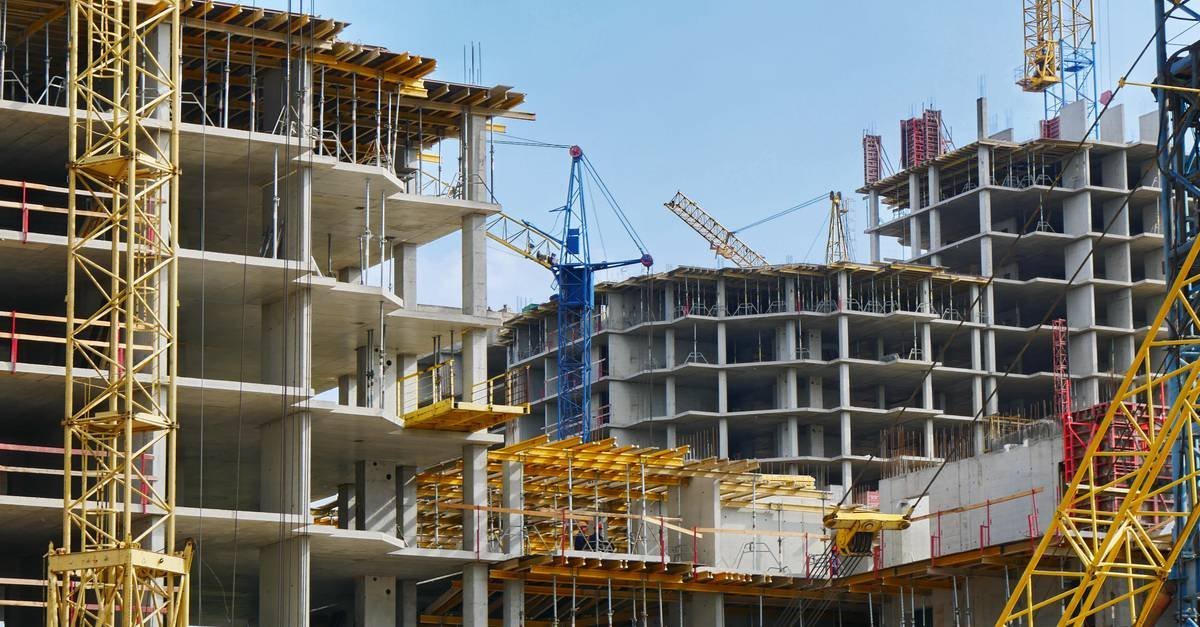
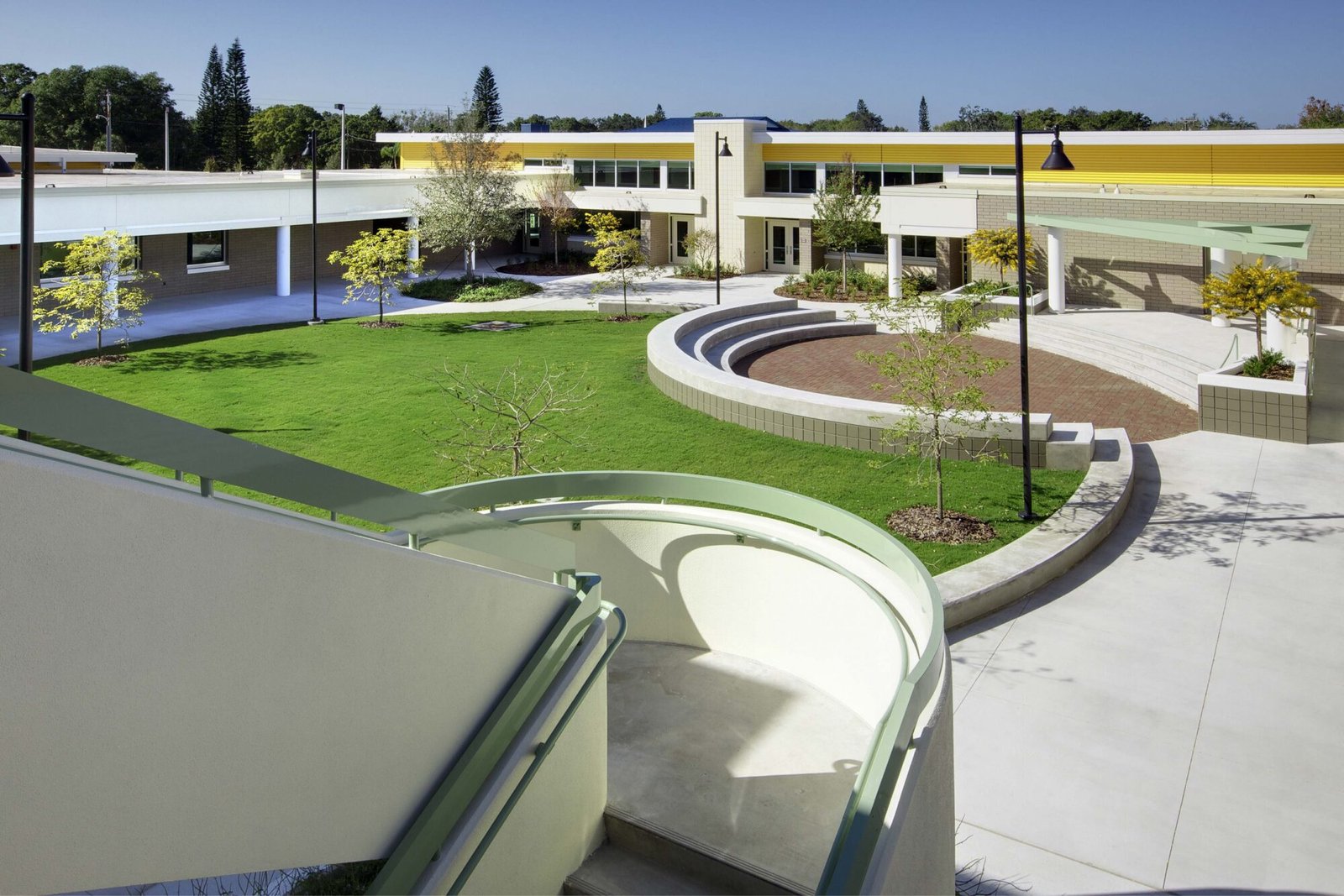
Education Facility Construction in Brownsville, Texas
Half a mile from the UTRGV Brownsville campus, the former Longoria Elementary School site is being turned into the university's Visual Arts Complex, and the way that project is built says a lot about education construction in this part of the Valley. A state licensing record lists it as a $21,000,000 project of about 46,000 square feet at 2400 E. Van Buren St., with construction starting in September 2025 and an August 2026 target completion. Instruction was set to begin in most of its spaces on August 26, 2026, with a second phase tentatively scheduled for late December.
Schools and campuses run on a calendar that does not bend. A classroom building that opens three weeks after the first day of class is a building that students and teachers have to work around, and everyone in the room remembers it. That is why we treat education work as a scheduling discipline first and a construction discipline second.
We build school additions, classroom buildings, labs, gymnasiums, career and technical facilities, and campus renovations for districts and higher education owners. Our approach is steady, open and frank about risk.
Working backward from the first day of class
Every education schedule we write begins with the date the building has to be ready, then walks backward through furniture and equipment, inspections, commissioning, finishes, roof and structure, and site work. Each of those steps has a duration that depends on weather and procurement, and we put numbers on them so the owner can see which have slack and which do not.
We also plan for the real possibility that a phase will slip. A second phase of the arts complex, for example, was tentatively scheduled for late December rather than August, which shows how owners separate the spaces students need first from those that can follow. We help owners make that kind of split deliberately, protecting the spaces that matter for opening day and moving the rest to a second window. That kind of staged delivery works well with a construction manager at risk approach when the owner wants early input on phasing.
Summer windows, break windows and the problem of weather
School districts have a short window to do their biggest work, and in the Valley that window falls in the hottest, wettest part of the year. A summer concrete placement may need early starts and rain contingencies, and a roof replacement may have to stop for afternoon storms. We schedule structural and exterior work for the earliest part of any available window and keep interior work for the periods when weather matters less.
Many projects also happen while students and staff are on campus. Fenced work zones, separate construction entrances, controlled deliveries and supervised crews are standard. Our teams hold safety talks in English and Spanish, and every worker who enters a school site is expected to follow its security procedures. For more on staging around occupied buildings, see phased construction on occupied sites.
What the local education landscape looks like
Education is a major employer in Brownsville. A Brownsville Economic Development Council list cited in a reference article, as of May 2015, shows Brownsville ISD with 7,670 employees and UTRGV with 1,734, the third-largest employer on that list. The figures are older, so we treat them as context rather than a current count, but they point to the scale of the district and the university.
The arts complex also tells us what higher education builds today. According to the UTRGV student newspaper, it holds studios for six disciplines (painting, drawing, ceramics, sculpture, photography and jewelry making), two graphic design computer rooms, a sculpture garden, faculty and graduate offices and a large gallery. Those are specialized spaces with ventilation, finishes and power needs that differ from ordinary classrooms. We bring that kind of detail to our UTRGV Brownsville area work.
Keeping children and students safe near the work
Safety on a school site is about more than hard hats. We maintain separation between construction traffic and student routes, schedule deliveries outside drop-off and pick-up periods, and control access to the work area. Background screening and badge procedures are handled according to the owner's requirements.
Inside the building, life safety systems, security hardware and communications are part of the design and have to be tested before students arrive. We schedule fire alarm, sprinkler and access control testing well before the opening date, and we hold a final walkthrough with the owner's facilities staff so they know how everything works. Our municipal and government construction experience in public-sector procurement and inspection supports this work.
Reviews that sit between design and the ribbon cutting
Education projects in Texas answer to the state's accessibility program as well as to the city or county. The Texas Department of Licensing and Regulation applies the 2012 Texas Accessibility Standards and requires projects costing $50,000 or more to be registered and reviewed, so even modest classroom renovations often enter that process. The review produces comments on routes, restrooms, drinking fountains, signage and room layouts that must be answered before inspection.
We keep a submission log, track comments to closure and bring the design team in early so corrections do not hold up construction. Inspections for fire, electrical and mechanical systems come at the end, when the calendar is tightest, so we schedule them as milestones with the owner's facilities staff present. Most districts and universities appreciate a contractor who documents everything as it is built.
What moves an education budget
Specialized rooms carry the largest premiums. Science labs, art studios, kitchens, gymnasiums and technology classrooms all need extra ventilation, plumbing, power or structure compared with a standard classroom. The arts complex described above, with studios for six disciplines and computer rooms, is a good example of how program drives price.
Site conditions and security add to the total. Drainage, fill and paving can take a meaningful share of a budget on flat, clay ground, and modern campuses expect controlled entries, cameras and communications. We price those items separately so an owner can compare alternatives and decide where to invest.
Housing, labs and the buildings that support a campus
A campus is more than classrooms. Residence halls, dining spaces, parking structures, athletic buildings and support facilities all have their own requirements. We coordinate education work with related building types we build, including student housing, and we apply lessons from one to the next.
Owners of schools and colleges, whether public or private, can explore the education institutions page and the education and school building type for more on how we approach these projects.
Start with the first day of class
Give us the date students need the building and the program it must hold. We will respond with a phasing approach, a procurement path and a budget range.
Questions Owners Ask
How do you protect a school opening date when weather is unpredictable?
We build rain and heat contingencies into the baseline and prioritize the work that depends on dry conditions, such as concrete, roofing and site work. Interior work follows once the building is closed in. We also identify the spaces needed on opening day so any slip can be absorbed elsewhere.
Can you build a school in phases?
Yes. Many owners open the spaces students need first and finish others later, as the university arts project's two-phase schedule illustrates. We help define the phases, plan separations, and coordinate occupancy approvals with inspectors.
What delivery methods do you work with for education projects?
We work with several, including construction manager at risk, design-build and competitive bidding, depending on what the owner is permitted to use. We explain the tradeoffs so the owner can choose the approach that fits the project and the board.
How do you handle work on an operating campus?
With separate entrances, fenced areas, controlled deliveries and daily supervision. We schedule noisy or disruptive work for times when classes are not in session whenever possible, and we coordinate with campus staff.
Related
Related Services
Related Building Types
Ready to talk about your project?
Request a Project ReviewPlanning a build in Brownsville or Cameron County?
Share the site, the building and the schedule. We will walk the drainage, soils and permit path with you and follow up with next steps.